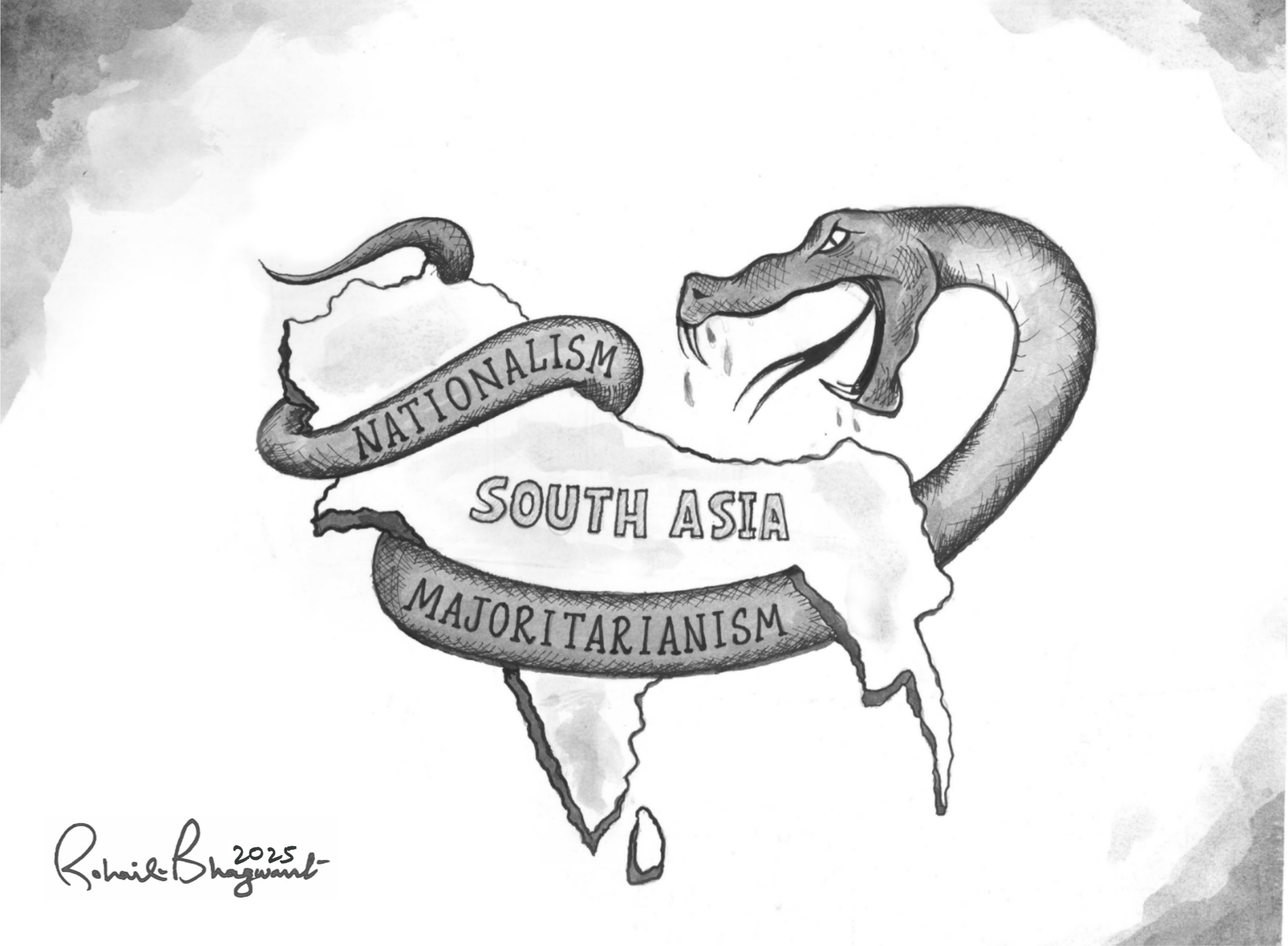
Majority/Minority Politics in South Asia: Series Introduction
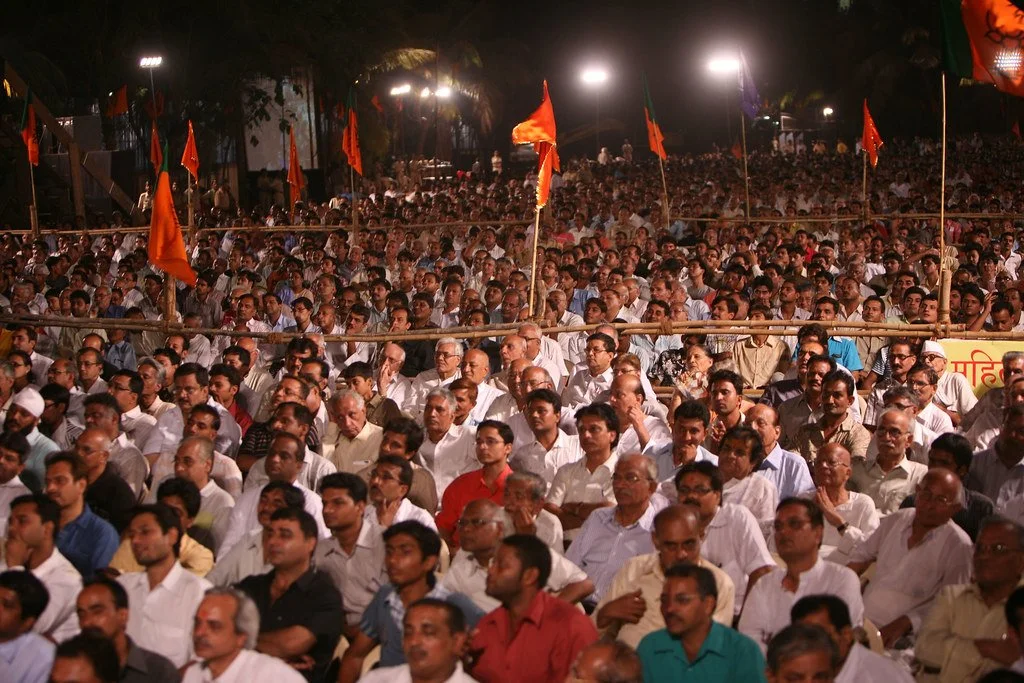
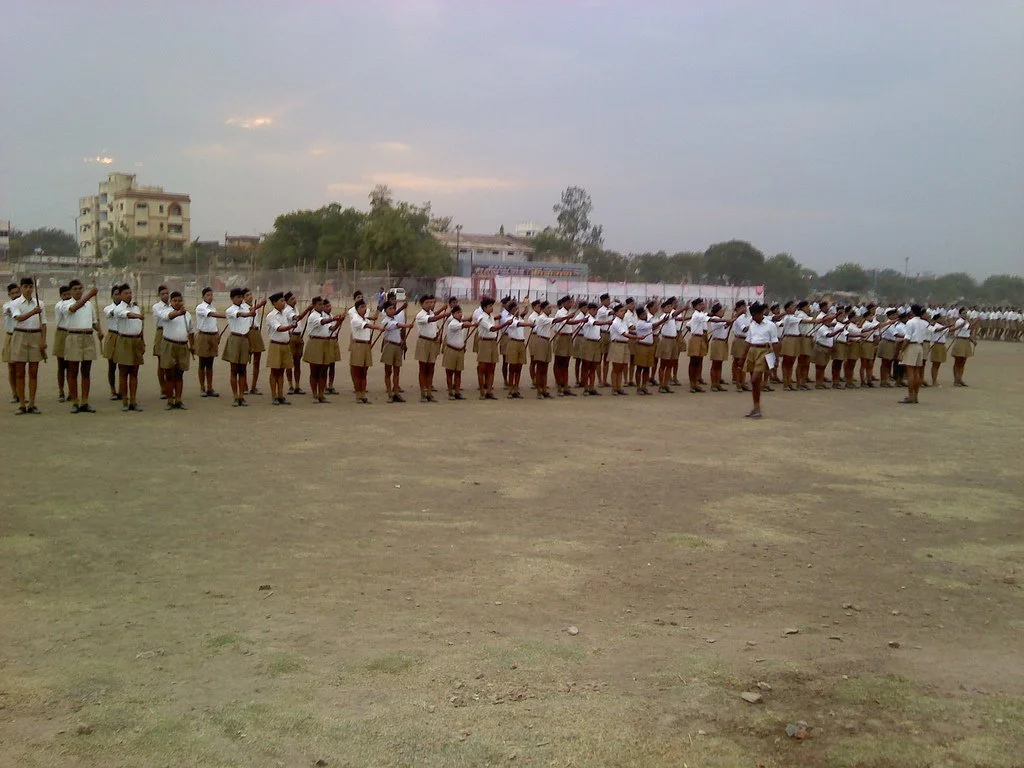
“Rather than treating majority and minority as self-evident demographic facts, the contributions gathered here thus approach them as political forms—constructed, reiterated, and governed through law, media, memory, infrastructure, and everyday practices of state power. A central insight that emerges is that majoritarianism, premised on a politics of numbers and demographic calculus, is fundamentally alived and mediated experience.”
Read More
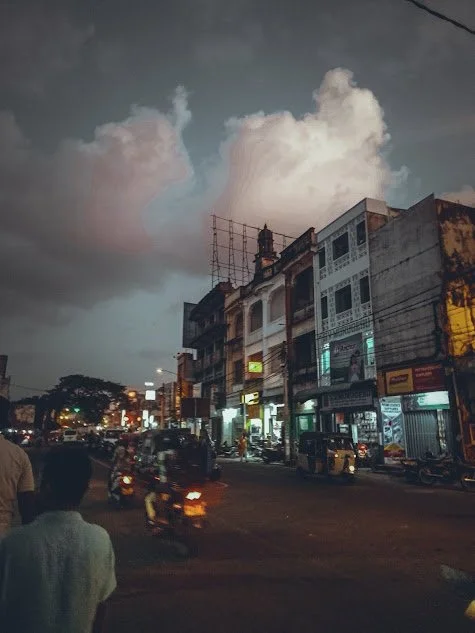
Workings of Power and Alliances of Resistance in Sri Lanka
This essay proposes “an alternative framing of majorities and minorities drawing on [the authors’] research and engagement in war-torn Northern Sri Lanka, which does not treat majority and minority as fixed ethnic constituencies and, for that matter, purely numerical categories.”
Read More
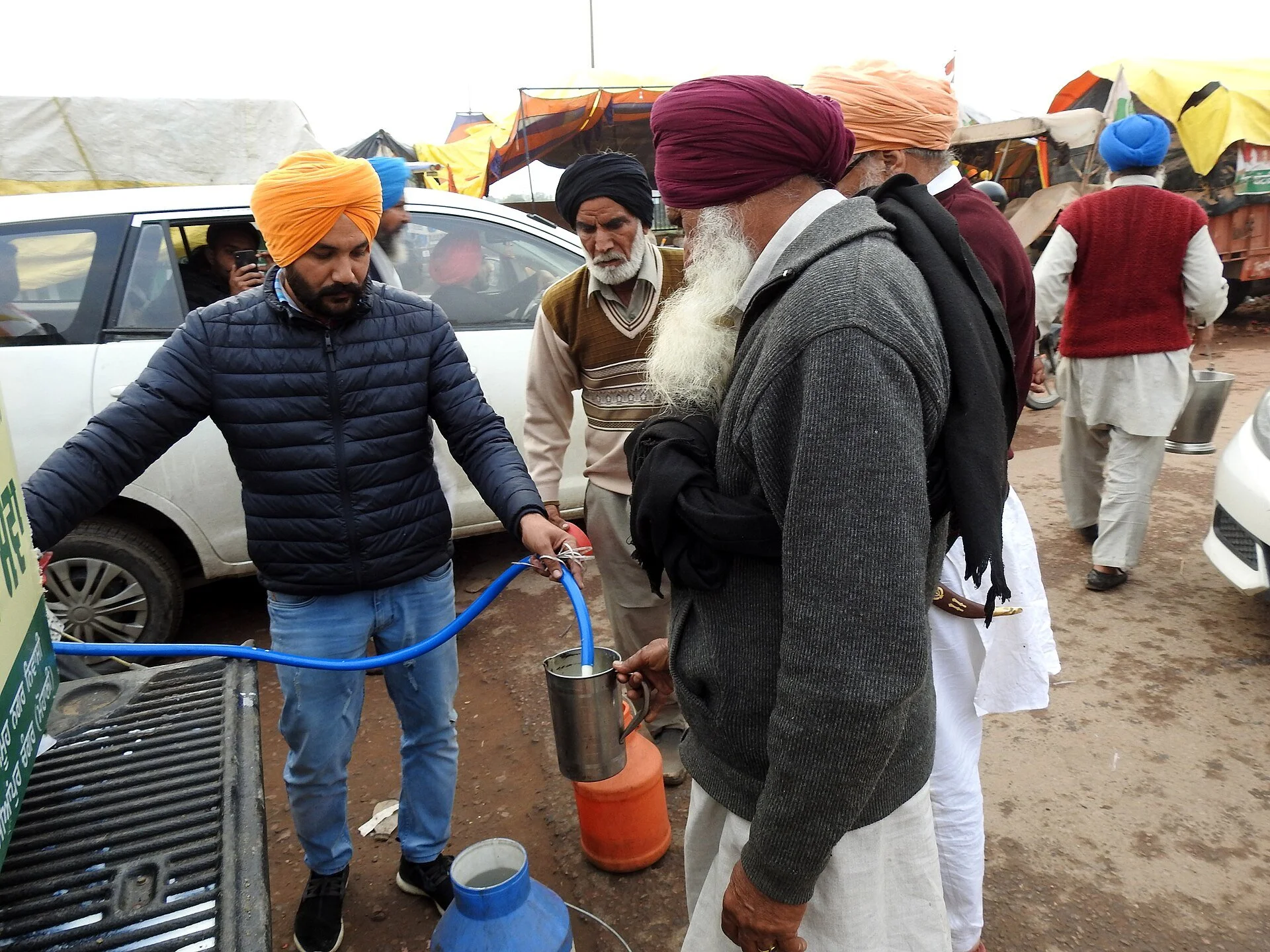
Majoritizing the Minor: The Sikh and Panjabi Ethos Today
This essay examines “the entanglement between the “majority status” of Sikhs in the state of Punjab, their “minority status” in the postcolonial Indian nation and transnationally, and Sikh political assertions of an independent religious identity, self-determination, and sovereignty.”
Read More
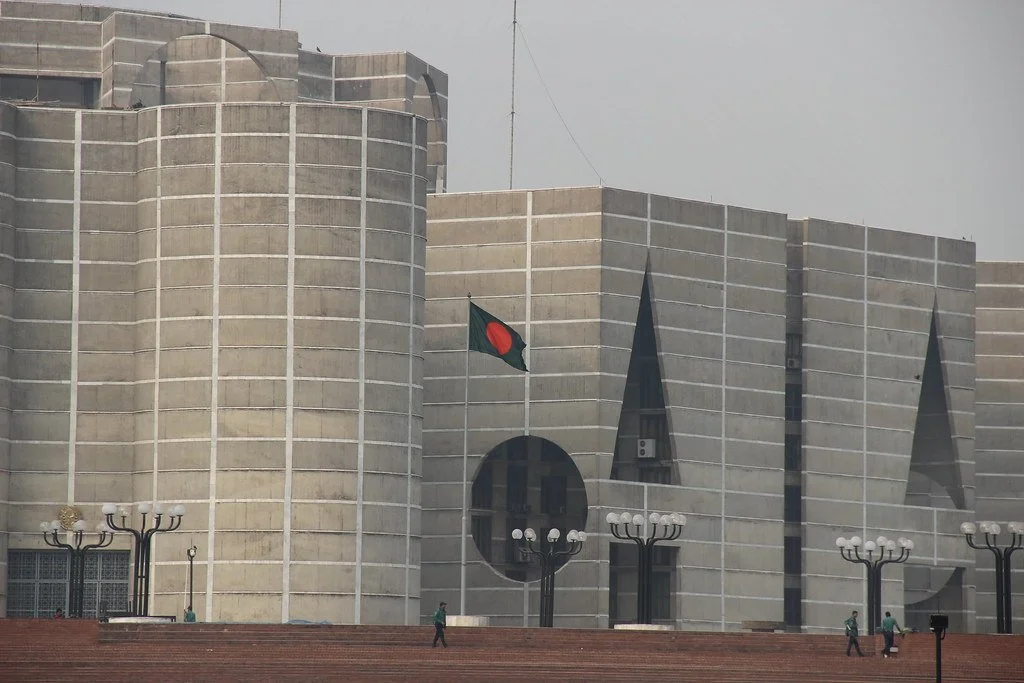
The July Uprising and Bengali-Muslim Majoritarian Hegemony in Bangladesh
“Symbols like the flag operate as affective technologies of selective inclusion: they inspire belonging for the majority while legitimizing violence against minorities.”
Read More
Reserving the Majority
“This story of Hindutva statecraft reveals how majoritarianism operates not only through spectacular or visible violence, but also through more durable forms of governance. Its work lies in demarcating, consolidating, and normalizing majority–minority distinctions, embedding them in everyday life and—most strikingly—within the ostensibly progressive scripts of constitutional social justice itself. “
Read More
Caste Minoritization and the Politics of Settler Colonialism in Kashmir
“While such claims of caste inclusion by a party dominated by upper castes remain fleeting at best, it is imperative to ask if claims of caste inclusion in Kashmir are simply a “humanitarian” ruse to hide what is truly the intent of the Indian government –- to open the floodgates of India’s extractive economy in Kashmir to corporate investors, predominantly from upper castes –- and leverage caste as Hindutva’s critical weapon. “
Read More
Conversions across the India–Pakistan Border
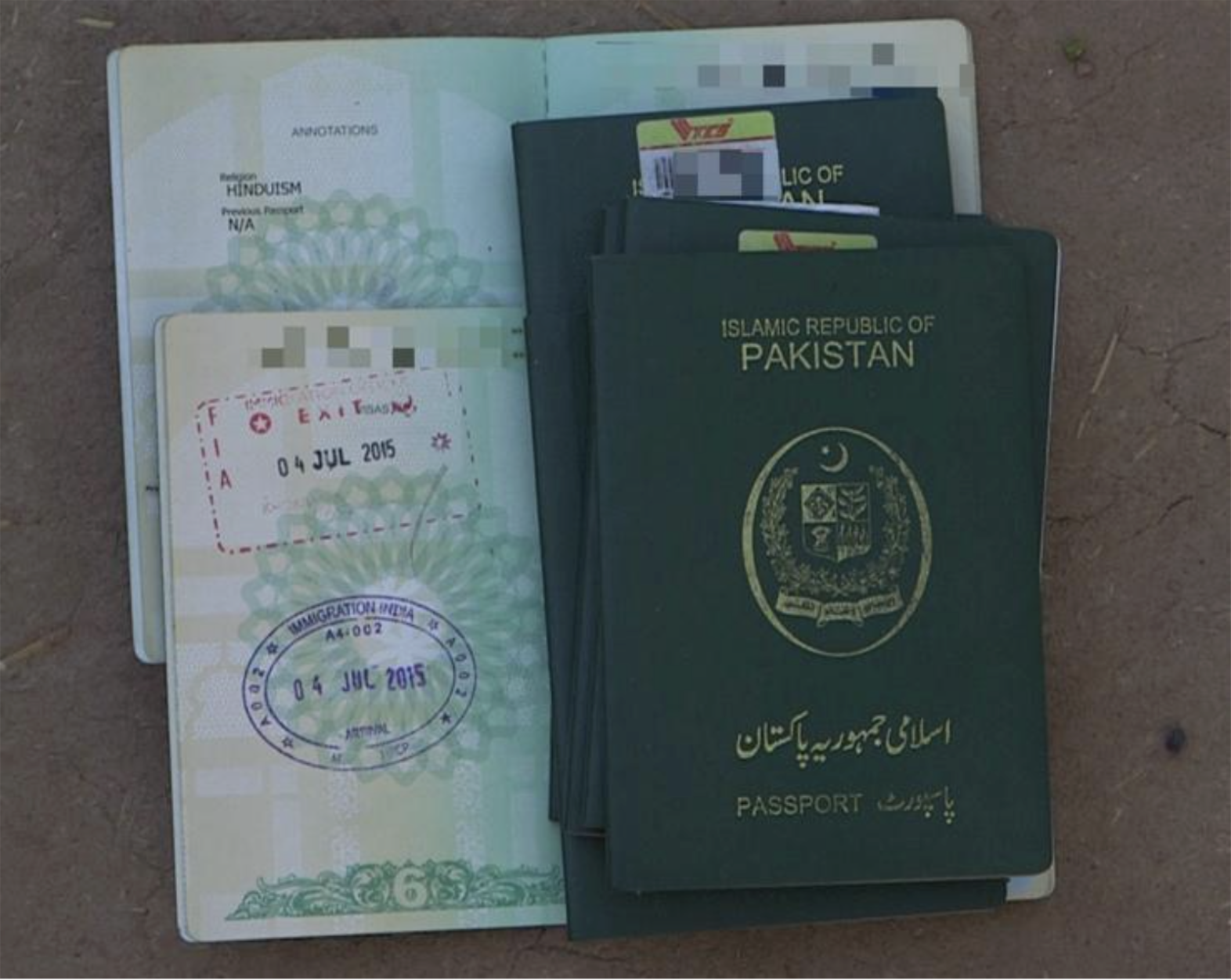
“The conversion of majority into minority is a hallmark of majoritarian regimes. It is also a liberal democratic phenomenon.”
Read More
Citizenship Deprivation and Majoritarianism
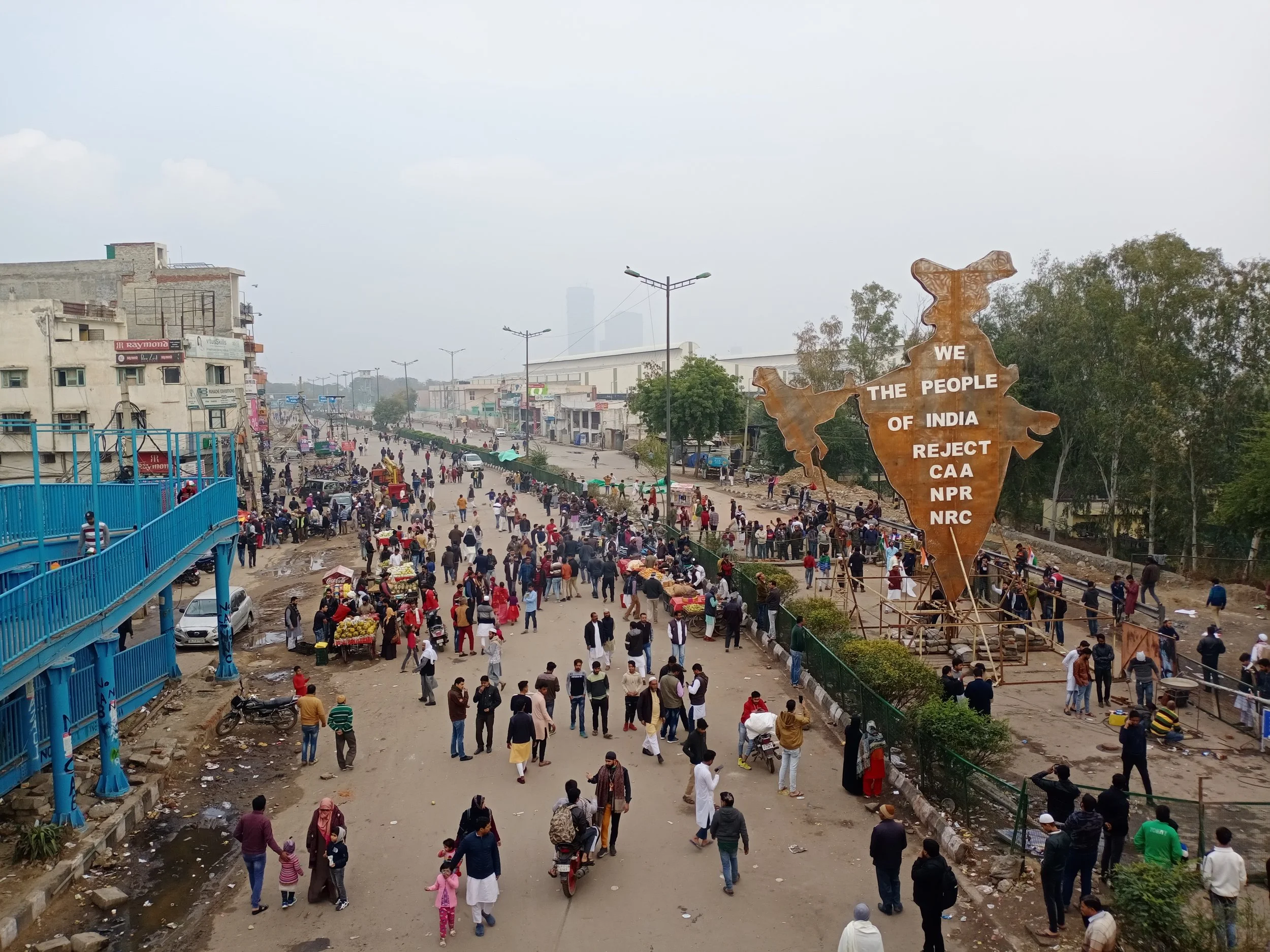
“Reversing a key premise of the common law tradition, here everyone is guilty until proven innocent. Indeed, this reverse burden of proof is literally required by the Foreigners Act, 1946 (reiterated in the new Foreigners Act, 2025). In other words, the NRC and SIR operate in and have produced a field of generalized criminality.”
Read More
Managing the Sacred: Liminality and the Minoritization of Sikhs in Punjab and Hindus in Sindh, Pakistan
This essay examines “how the category of minority is experienced, negotiated, and navigated in everyday life within contemporary Pakistan’s Muslim-majoritarian context. These encounters show that Hindu and Sikh identities in Pakistan are dynamic and multifaceted; they are continually produced, contested, and redefined through the interplay between state regulation and community self-governance.”
Read More
Border, Citizenship, and the Minority Question in Contemporary India
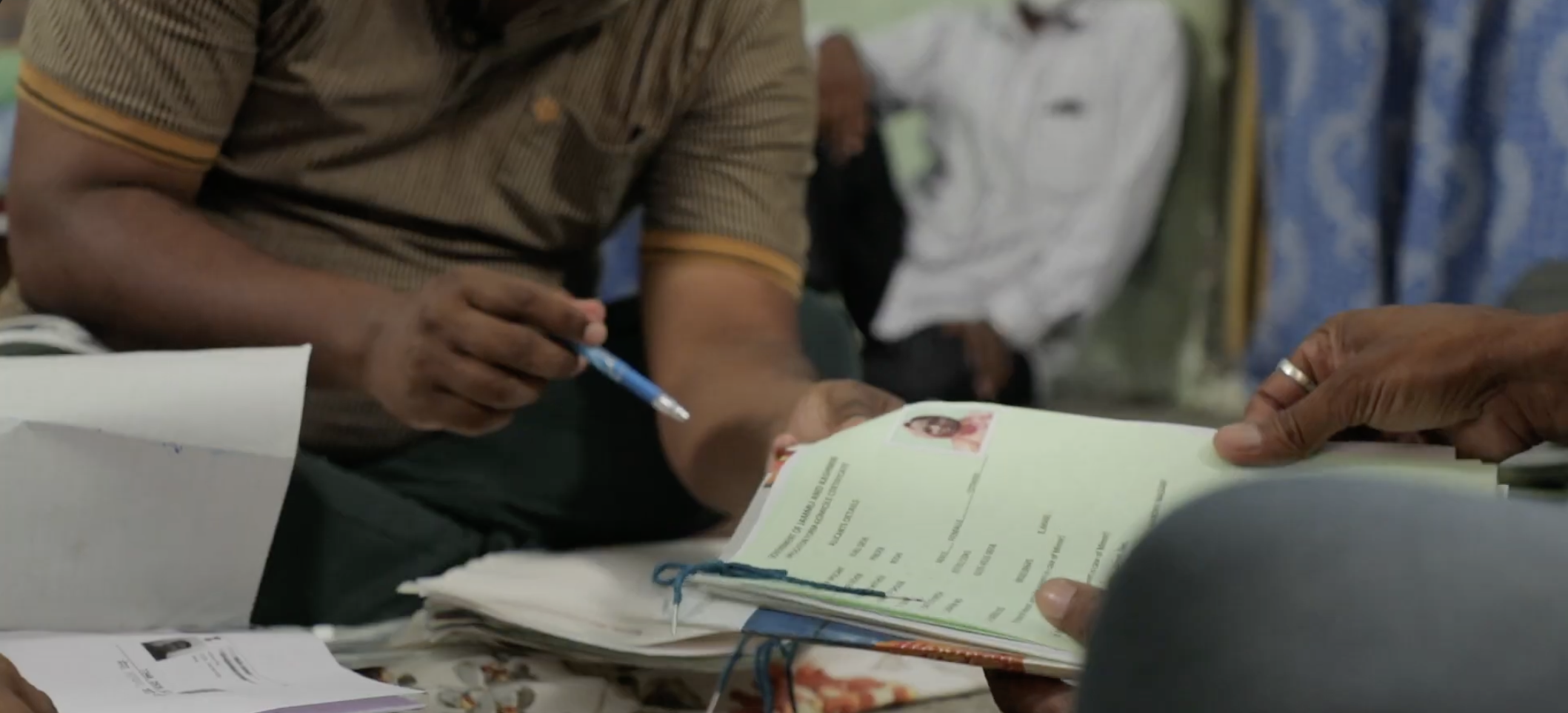
“The scenario in Assam reveals how the politics of migration and citizenship become entangled with biometric identity. It offers a deeper understanding of the state’s role in reproducing majoritarian practices that impact the everyday lives of minority inhabitants in border regions. “
Read More
A Cut in Time: Thinking “Backwardness” Through Khwajasara Difference in Pakistan
“Backwardness now operates as a moral summons to be rectified and resynchronized with the nation’s developmental time. Khwajasaras respond to this summons tactically, leveraging backwardness while playing with its constraints. In doing so, they expose the contradictions of contemporary citizenship in Pakistan, where inclusion depends not on equality but on the continuous performance of suffering and lag/delay.”
Read More
Media Erasure, Anti-Shia Violence, and Counter-Narratives in Pakistan
“In Pakistan, majority and minority are not neutral terms. Once religious identity is codified in law, minority status becomes less a matter of numbers than a condition of exposure. It shapes whose deaths are mourned publicly, whose suffering is considered speakable, and whose grief must remain private in the name of peace.”
Read More
Self-Respect, Civilization, and the Conditions of Fraternity in India
“As spectators come to recognize themselves within the experiences of others, they develop an intelligibility that is required for fraternity, which depends on the recognition of one’s good in the good of others. In plural societies, this aesthetic identification becomes one of the subtle mechanisms through which majority and minority communities perceive themselves as participants in a shared political world. “
Read More
A Nation Without Minorities?
“Minorities are made through how the majority is imagined, mobilized, and sustained, and through how well passion is mobilized against an imagined minority.”
Read More
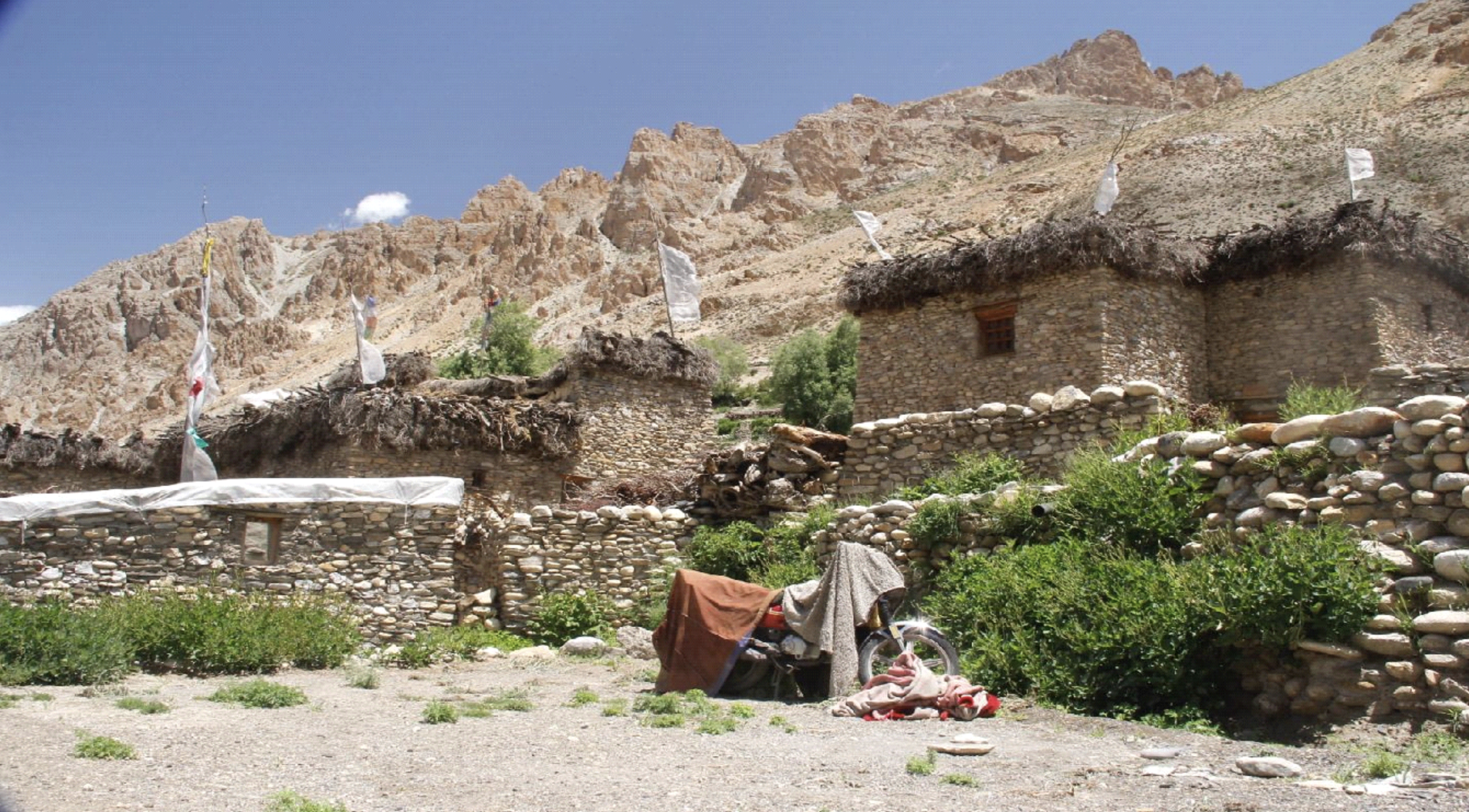
Indigenous Resurgence Against the Hindu Caste Nationalism in Dolpo, Nepal
“[…]how are individuals using motorbikes to resist the Caste Nationalism? Focusing on community-level practices encouraged by Dolpo youths using motorbikes, this essay will analyze the nexus of socio-political and infrastructural paradoxes unfolding in Dolpo.”
Read More
(Continued) Flow, Corporeality, and the Inebriating Alterity of a Kinesthetic Arabness: A Conversation on Dabke, Baathism, and Gender with Shayna Silverstein
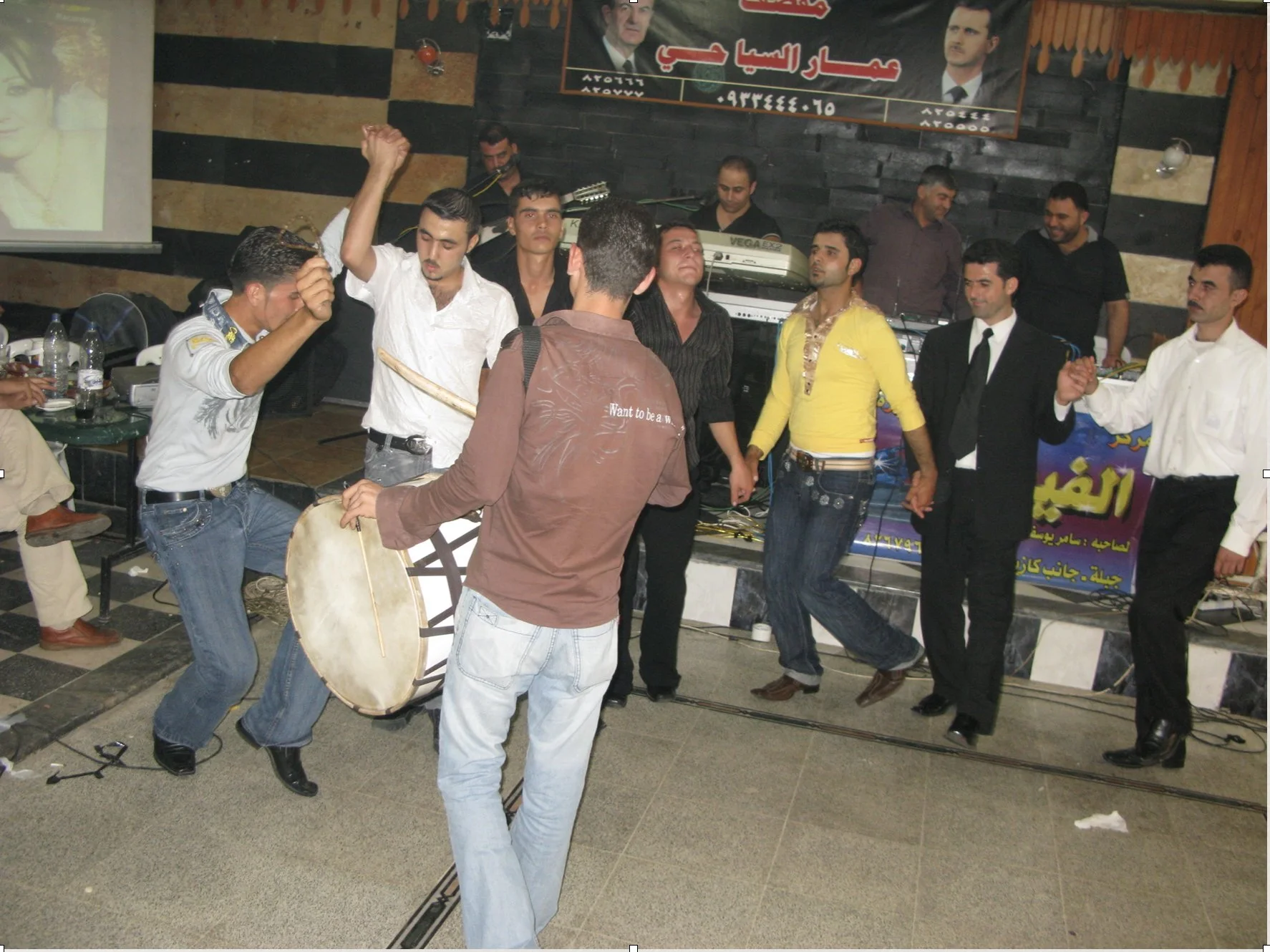
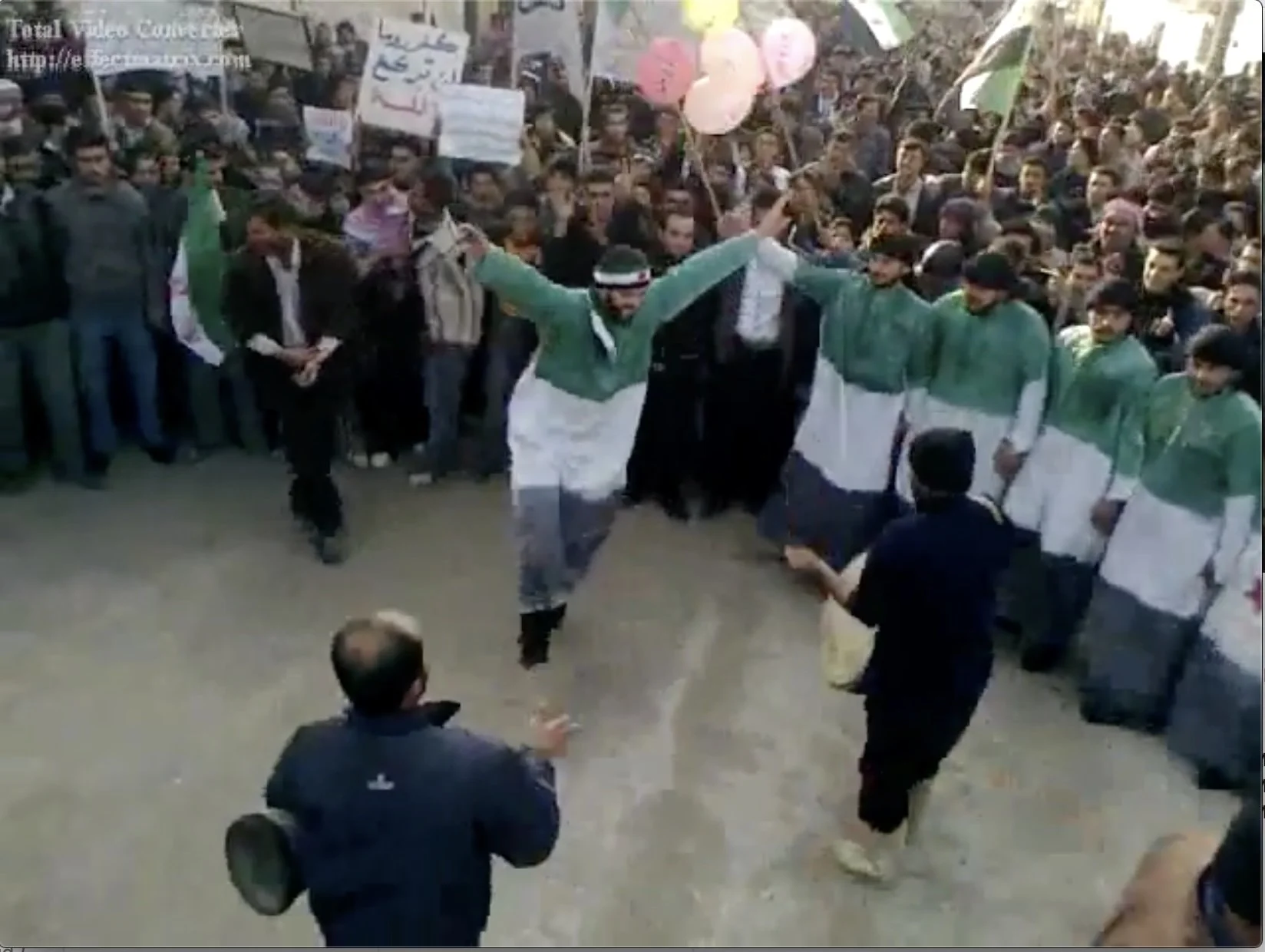
The revolution recharged dabke. It became a vector for political mobilization. There is no clear political category for dabke. Many well-known dabke singers championed the regime, while many others challenged it. Similar to how the revolution as a movement cut across class boundaries, dabke’s popularity muddled any clear demarcations of class and taste that existed before the war.
Read More
“Difference” in History and Theory: An Interview with Andrew Sartori
Rohan Basu and Soumyadeep Guha speak to Andrew Sartori on his approach to modern history as the history of capitalism, and the emergence of the modern world as tied to its ideological imaginations. Through his engagement with (and simultaneous departure from) subaltern studies and the question of 'difference', this conversation approaches history as a discipline to understand the present, where the threat against democracy emerges in similar forms across the world.
Read More
Flow, Corporeality, and the Inebriating Alterity of a Kinesthetic Arabness: A Conversation on Dabke, Baathism, and Gender with Shayna Silverstein
The ephemerality of dabke performance has a lasting impact because it produces close communal bonds that are necessary to survive an authoritarian regime when that regime is trying to divide and isolate social groups or families.
Read More
Towards a Technopolitics of the Global South: Political Publics in the Global Present
“With The News Event being read across the disciplines, a symposium seemed an appropriate forum to discuss broader issues of technopolitics and its relationship to politics as such. Taken together, the reflections assembled here each propose conceptual approaches to media based on studies in India that reach toward broader horizons of application.“
Read More
Factual Truth and Securitization in Emergent Circuits of Publicity
“The work of factual truth remains central here: as witness, testimony, or material traces demanding forensic analysis and broader circulation despite the weakness of such forms of public representation in contemporary political “realism” at the level of the state, leaving aside the betrayal of international law.”
Read More