

And the silent listener is not necessarily the poet of the collection. It could be anyone. If you ask the characters, they will tell you. One of the inspirations for such a recording style was Svetlana Alexievich. She has reinvented the role of the author and distributed its power among the speakers for the truth to emerge.
Read More
BORDERLINES ANNOUNCES THE LAUNCH OF A NEW COLLABORATIVE PROJECT WITH THE TECHNOLOGIES OF POWER PROJECT. THE THIRD LECTURE SERIES TITLED ‘‘AFGHANISTAN: IS THE WAR OVER?’ FEATURES THREE TALKS BY SANAA ALIMIA, MARYA HANNUN, ALI OLOMI, & BILAL SARWARY.
Read More
What resonated across both Yael and Shrimoyee’s work was an engagement with fluid bureaucracies and a “permanent emergency” that manifested itself through disparate regimes of files and decrees, rule-bound and illegible systems and jurisdictions of law through which Kashmiri and Palestinian subjects moved. We spoke to them about the polymorphous nature of the relationship between checkpoints and permits, preventive detention and the constitution, encryption and inscription.
Read More
The second Technologies of Power series titled ‘ENCLOSURES’ features three talks by Ronak Kapadia, Nada Shabout & Simone Browne.
Read More
Technologies of Enclosure have devastated entire regions in South Asia, the Middle East, and Africa to the domestic expansion of explicit white supremacy, and regimes of surveillance which have generated a multidirectional and dialectical enclosures between foreign wars and domestic issues.
Read More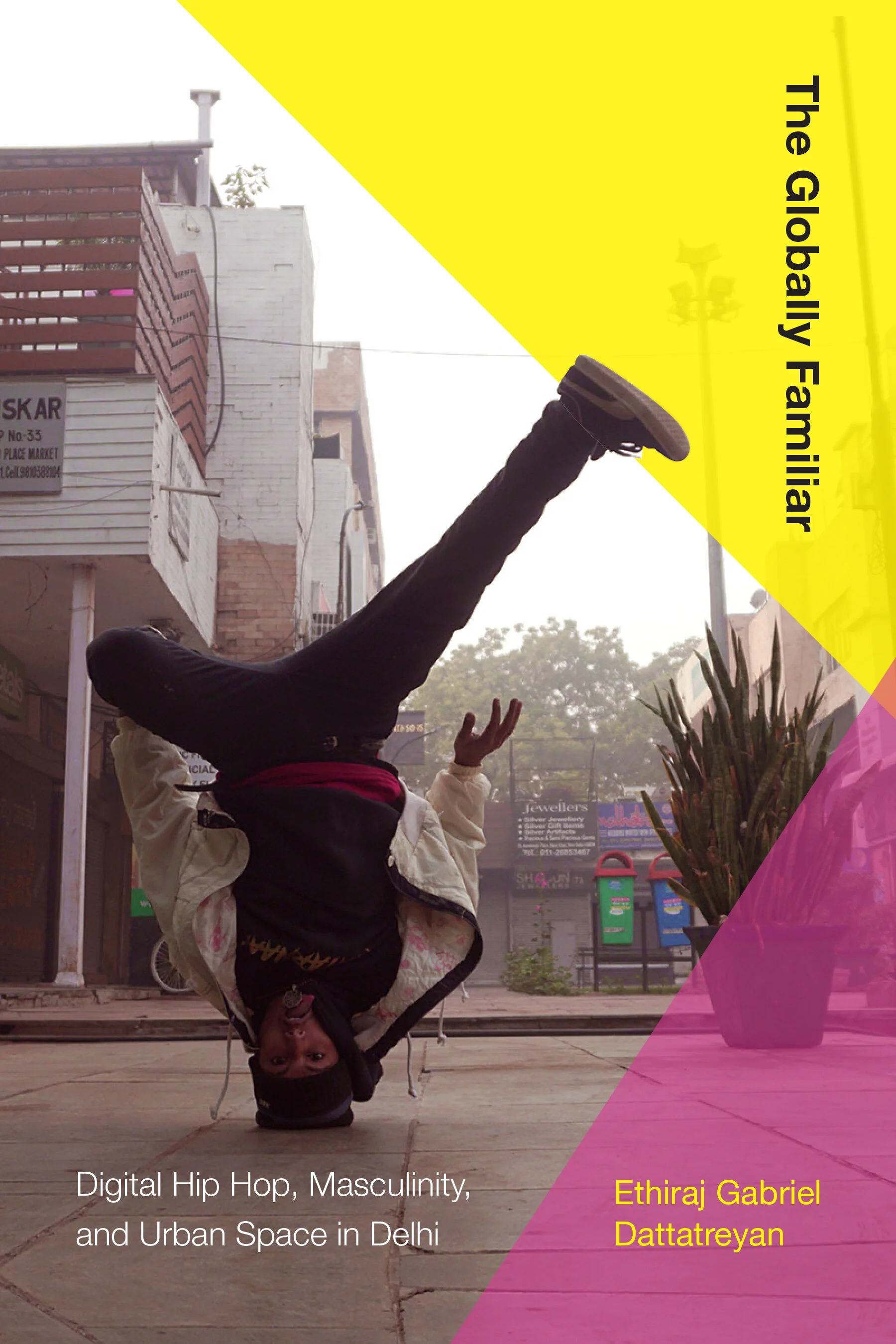
“Eventually, the familiar became a way for me to approach what I instinctively felt was the inseparability of affect, infrastructure, mediation, and value and to recognize these different geographic scales were linked through circulating signs.”
Read More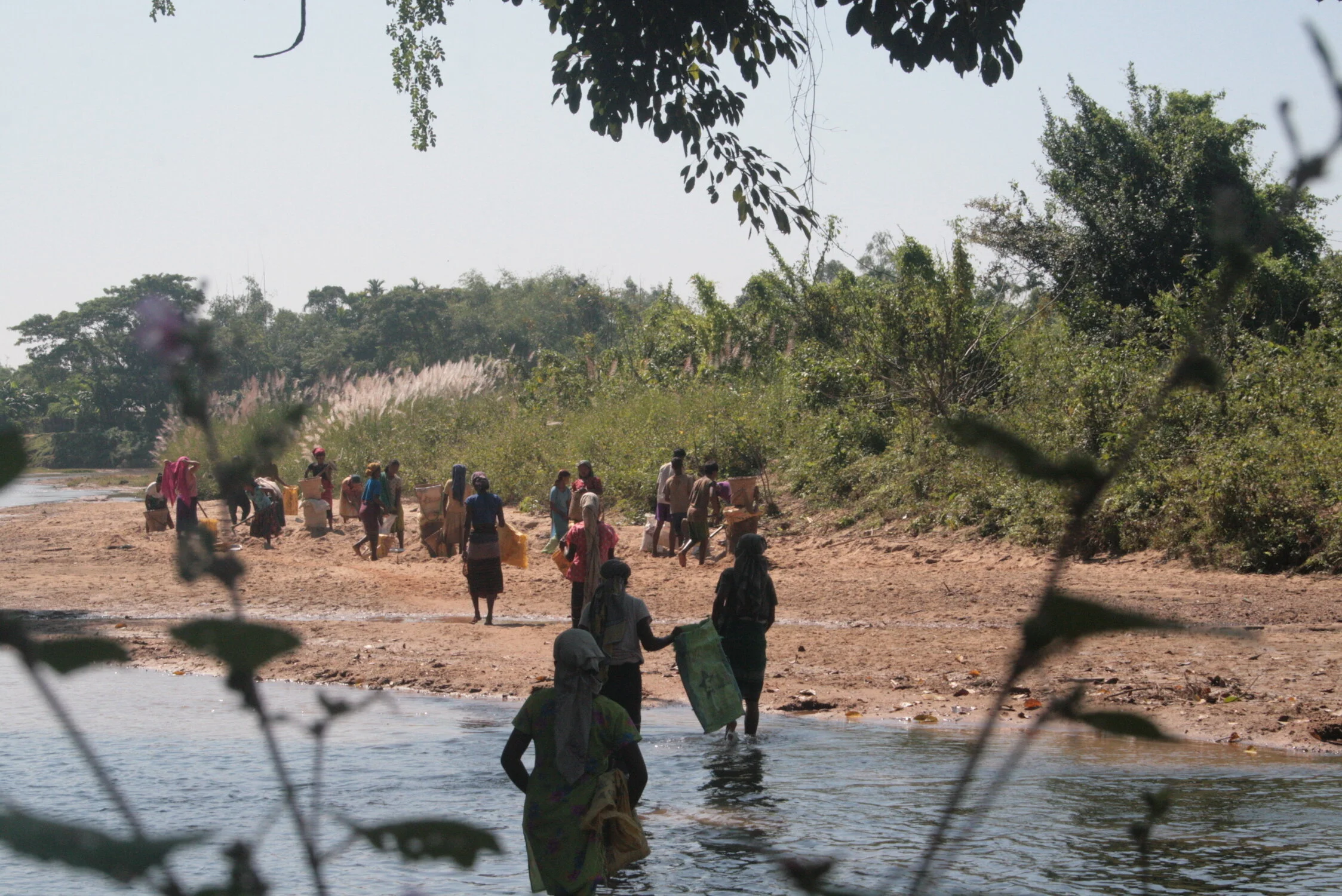
“Sur draws us into the terrifying world of the new border but tempers and humanises her clinical description of the physical infrastructure of fence and tower with a range of ethnographic vignettes that tell a story of transborder kinships, conviviality and unforeseen friendships.”
Read More
From imperial projects that devastated entire regions in South Asia, the Middle East, and Africa to the domestic expansion of explicit white supremacy, surveillance, and policing, US technologies of power have generated a multidirectional and dialectical relationship between place, land, and geographies.
Read More
From imperial projects that devastated entire regions in South Asia, the Middle East, and Africa to the domestic expansion of explicit white supremacy, surveillance, and policing, US technologies of power have generated a multidirectional and dialectical relationship between foreign wars and domestic issues.
Read More
This year, as the US surpasses half a million deaths from the COVID-19 pandemic and domestic fascists attempt a coup, the country will also mark the 20th anniversary of the US-led Global War on Terror. How did global and national politics coalesce into this present? In collaboration with the #TechofPower Project, a toolbox has been created as a resource to help students, activists, thinkers, & academics rethink the contemporary moment marred by continuous war.
Read More
Through the work of scholars, writers, and activists, Technologies of Power: Tracing Empire at Home and Abroad explores how technologies of power and empire have shaped multiple terrains domestically and transnationally. The #TechofPower Conference will include 7 conversations. 21 scholars, writers, and activists.
Read More
Challenging conventional narratives of Afghanistan as a perennial war zone, and the rule of law as a secular-liberal monopoly,this book presents an account of the first Muslim-majority country to gain independence, codify its own laws, and ratify a constitution after the fall of the Ottoman Empire. If Afghanistan seems an unexpected candidate for this distinction, it is because historical approaches to Afghan law and governance before the Soviet invasion of 1979 remain few and far between. Based on archival research in six countries…
Read More
“A group of young girls, hypnotized by brilliant hair ribbons and bells in a stall, ignored the stray dogs that sniffed their feet and licked their hands. It was the clothes stalls that attracted the largest numbers of buyers. ‘There are no clothing stores in the Rajabari area,’ one resident said as she picked out woolen cardigans for her household. Not every item came with fixed price. Produce from the Naga villages were weighed, checked, and given an exchange value. As goods were translated into monetary values, tensions ran high.”
Read More
For Arabic-language theory to truly become a resource in Western scholarship rather than an object for analysis, however, we need more than a new hermeneutic. We need this theory to be made available in Western languages. And we need it in volumes, not merely anthologies with a few pages-long excerpts of a thinker’s work whose oeuvre is, like Amel’s, thousands of pages long.
Read More
"For years I kept thinking: who has the kind of socio-intellectual clout, or position to feel comfortable about theory? This is what we wanted to do with High Theory: to try and break the exclusionary, gatekeeping nature of “doing theory.” “
Read More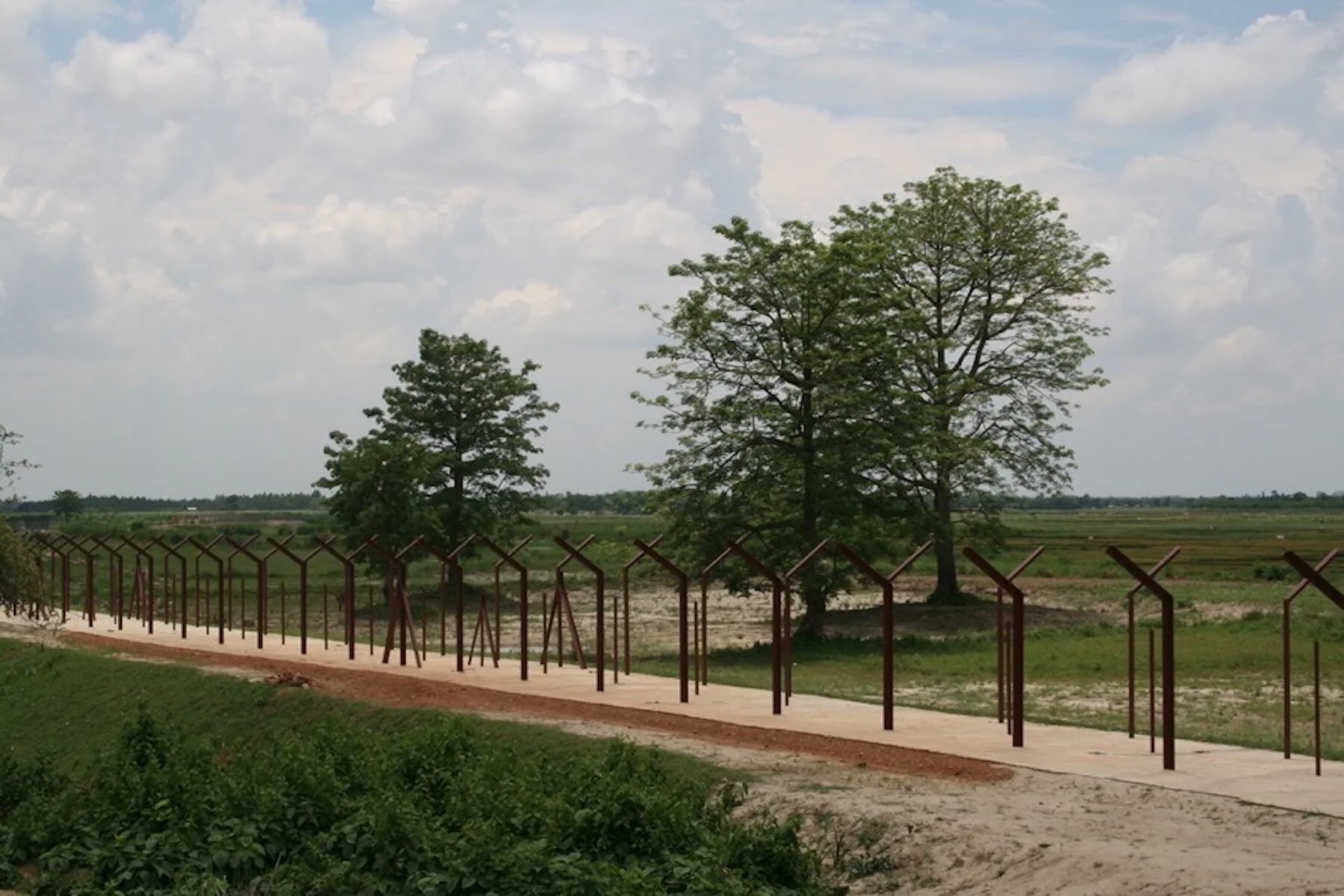
"The securitized discourse and policy around borders focuses on assigning people to definite bounded territories, with outsiders as security threats. The notable exceptions are the wealthy and powerful, and some functional personnel of global capitalism, whose privilege sometimes bypasses these limitations. This is supposedly demonstrated through various documents of identity, territorial presence, voting rights, work rights, public resource rights, and so forth. The ideal—for it is often bent, compromised, or defied—is that each person has a known, documented identity that gives rights to a specific geographic space.”
Read More
“What we know today as South African photography emerged in 1948”, said the late Okwui Enwezor, a Nigerian and world-renowned curator and art critic. He was referring to the emergence of Drum magazine, a magazine that gave urbanized black South Africans a platform to challenge the hegemonic representation of Africans in the print media. This essay is a critical examination of Enwezor’s claim that 1948 was the start of a unique South African (social) photography.
Read More
“Jabbar’s narrative underscores many dilemmas that a disappearance produces, where documents act as propellers, not of justice as much as an undying hope. I fear that meddling with the narrative would constrain the paths Jabbar traverses, which are important for readers to assimilate on their own. The narrative as reproduced verbatim here is a haunting that allows for entering the depths of mourning, melancholia, agency, memory making, and resistance.”
Read More
The idea that race and caste are parallel, if not equivalent, forms of oppression and marginalization is increasingly being used by many to explain the crisis of liberal democracy in India and the United States. Adhitya Dhanapal caught up with Nico Slate, Professor of History at Carnegie Mellon University, via email to discuss the long and complex history of drawing parallels between democratic movements in India and the United States.
Read More